All 12 questions, with what each one tests. Try any of them free in Gedara Sir to check your answer, with step-by-step working.
Cash discount versus instalment plan; interest per instalment
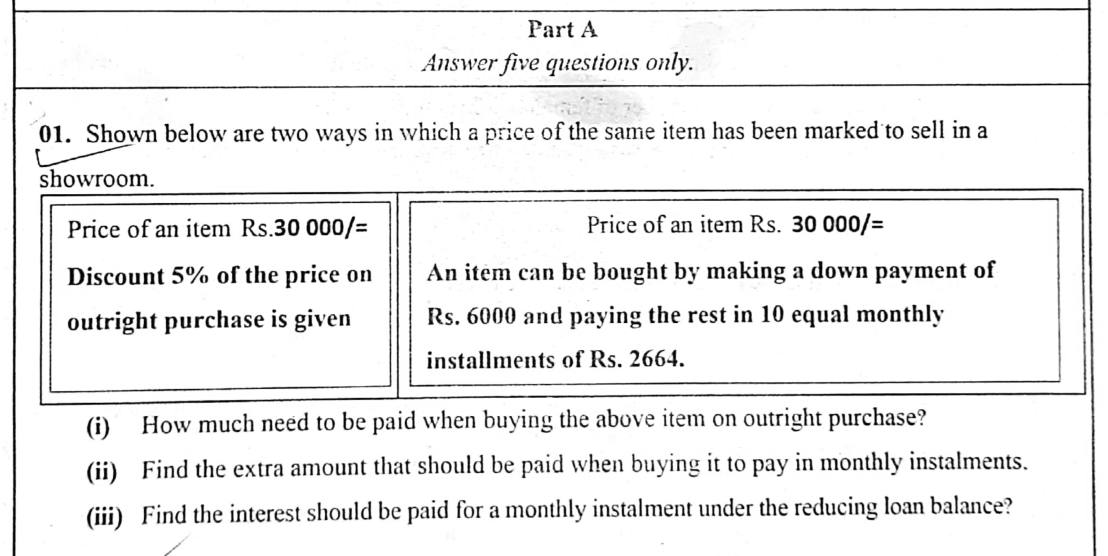
(i) Rs 28 500 (ii) Rs 2640 (iii) Rs 264
💡 What it's asking: Compare paying cash (with a discount) and paying by instalments. The extra paid on instalments is the interest.
- (i) 5% discount on Rs. 30 000 = 1500, so cash price = Rs. 28 500.
- (ii) Instalment total = 6000 + 10 × 2664 = 6000 + 26 640 = Rs. 32 640.
- (ii) Extra over the marked price = 32 640 − 30 000 = Rs. 2640.
- (iii) The loan is 30 000 − 6000 = 24 000, repaid in 10 instalments, and the extra 2640 is the interest.
- (iii) Following the marking scheme, interest per instalment = 2640 ÷ 10 = Rs. 264.
✅ Each instalment 2664 = 2400 (loan ÷ 10) + 264 (interest). It adds up.
සිංහලෙන් විසඳුම
මුදලට ගෙවීම (වට්ටම සමඟ) හා වාරික ක්රමයට ගෙවීම සසඳන්න. වාරික ක්රමයේ අමතරව ගෙවන මුදල පොලියයි.
- (i) රු. 30 000 ට 5% වට්ටම = 1500; මුදලට මිල = රු. 28 500.
- (ii) වාරික ක්රමයේ මුළු ගෙවීම = 6000 + 10 × 2664 = 6000 + 26 640 = රු. 32 640.
- (ii) සලකුණු මිලට වඩා අමතර = 32 640 − 30 000 = රු. 2640.
- (iii) ණය 30 000 − 6000 = 24 000, වාරික 10 කින් ගෙවයි; අමතර 2640 පොලියයි.
- (iii) ලකුණු දීමේ පටිපාටිය අනුව වාරිකයකට පොලිය = 2640 ÷ 10 = රු. 264.
Graph of y = x(x - 2) - 3; turning point, roots, behaviour
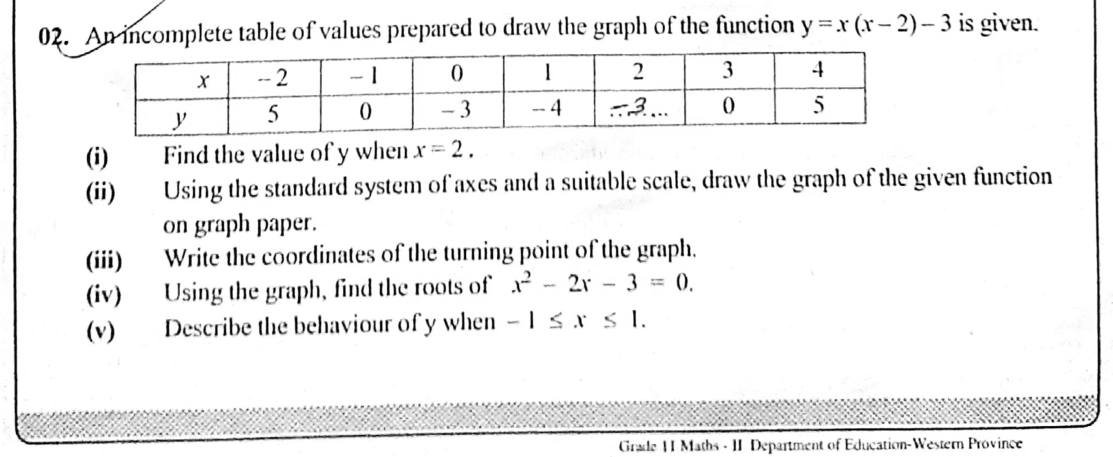
(i) -3 (iii) (1, -4) (iv) x = -1, 3
💡 What it's asking: Draw the curve y = x(x − 2) − 3 from a table, then read its lowest point, where it crosses the x-axis, and how y changes.
- (i) x = 2: y = 2(2 − 2) − 3 = 0 − 3 = −3.
- (ii) Plot (−2, 5), (−1, 0), (0, −3), (1, −4), (2, −3), (3, 0), (4, 5) and join with a smooth U-shaped curve.
- (iii) The lowest point (turning point) is (1, −4).
- (iv) x² − 2x − 3 = 0 is the same as y = 0, so read where the curve crosses the x-axis: x = −1 and x = 3.
- (v) From x = −1 to x = 1, y goes down from 0 to −4 (its minimum).
✅ Substitute x = 3: 9 − 6 − 3 = 0 ✓; x = −1: 1 + 2 − 3 = 0 ✓.
සිංහලෙන් විසඳුම
y = x(x − 2) − 3 වක්රය වගුවෙන් ඇඳ, එහි අවම ලක්ෂ්යය, x අක්ෂය කපන තැන් හා y වෙනස් වන ආකාරය කියවන්න.
- (i) x = 2 ආදේශ කළ විට y = 2(2 − 2) − 3 = 0 − 3 = −3.
- (ii) (−2, 5), (−1, 0), (0, −3), (1, −4), (2, −3), (3, 0), (4, 5) ලකුණු කර සුමට U වක්රයකින් යා කරන්න.
- (iii) අවම ලක්ෂ්යය (හැරුම් ලක්ෂ්යය) (1, −4).
- (iv) x² − 2x − 3 = 0 යනු y = 0 නිසා වක්රය x අක්ෂය කපන තැන් කියවන්න: x = −1, x = 3.
- (v) x = −1 සිට x = 1 දක්වා y අගය 0 සිට −4 (අවමය) දක්වා අඩු වේ.
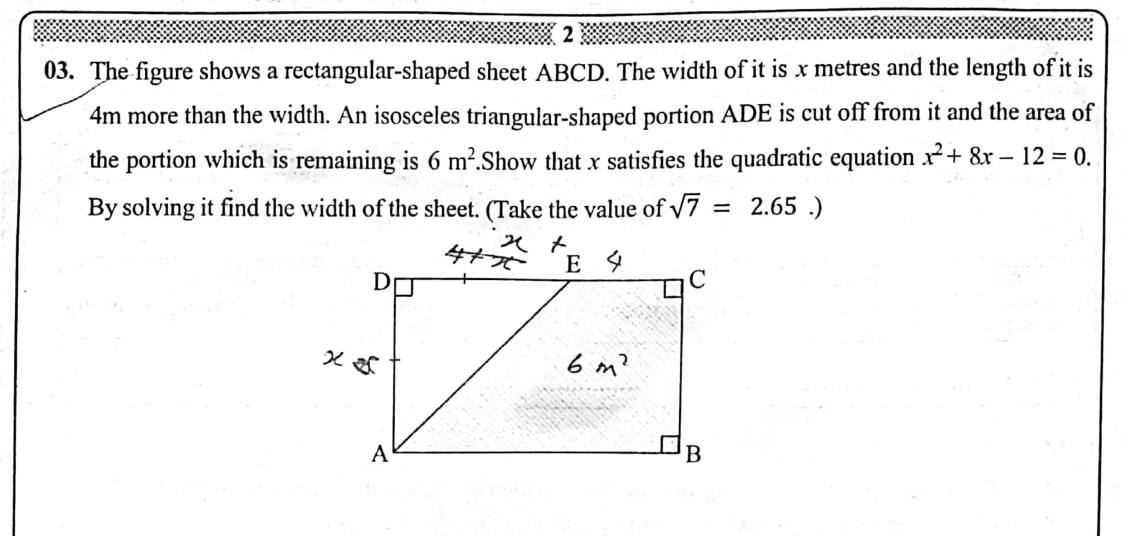
Rectangle minus isosceles triangle gives quadratic; solve with surd
 Equations · Algebraic Inequalities
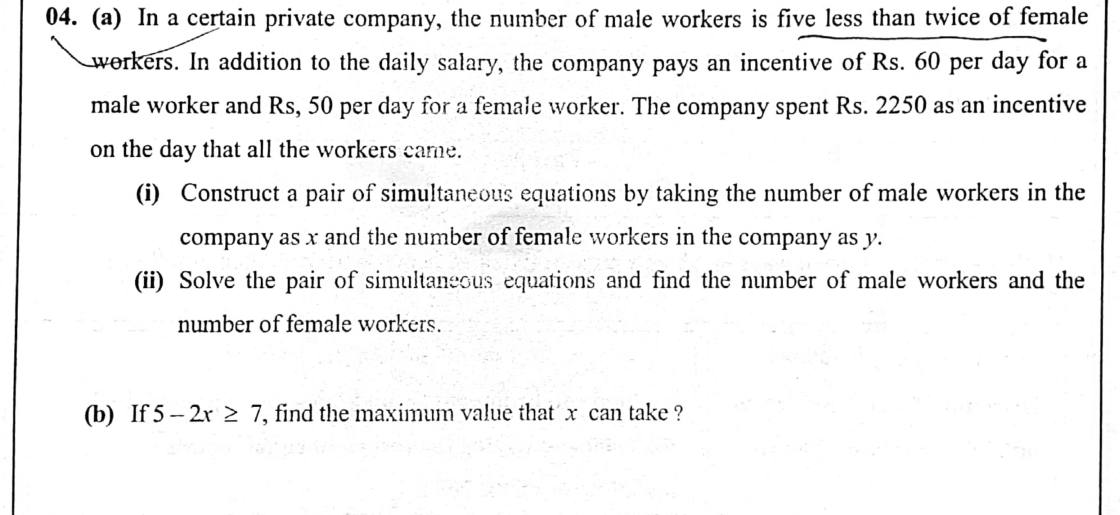
Simultaneous equations for workers; maximum from inequality
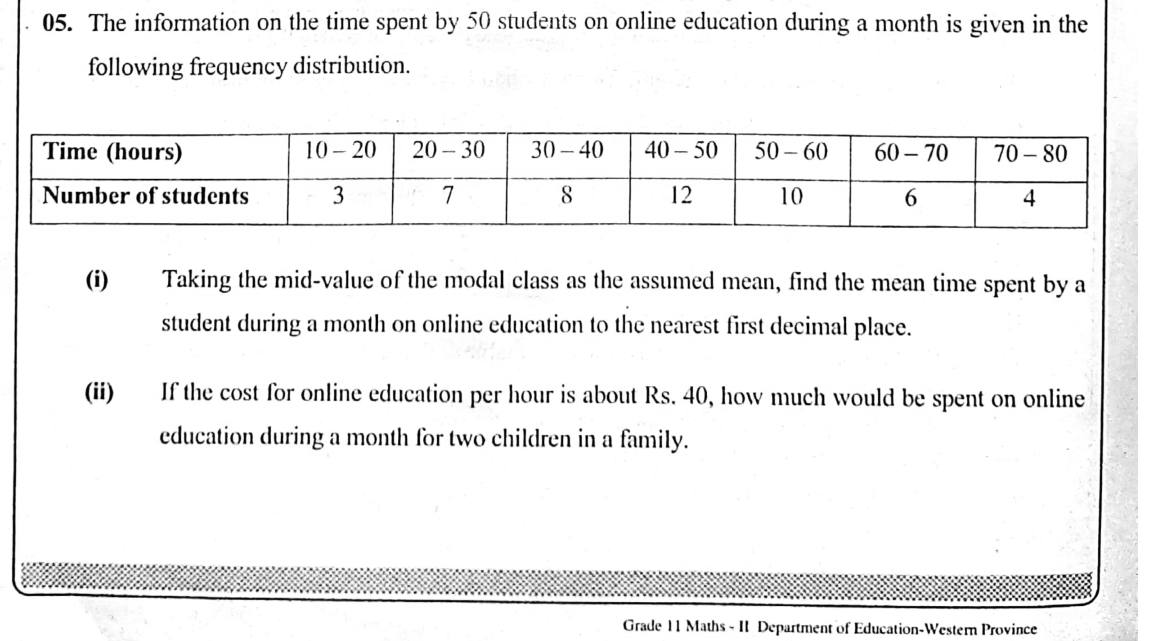
Mean by assumed mean; monthly cost for two children
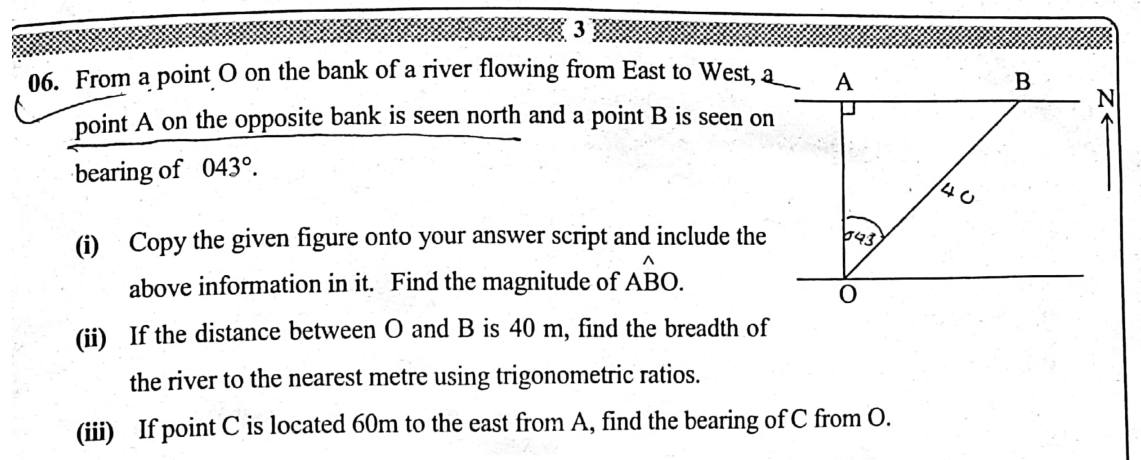
River width from bearing and distance; bearing of a point
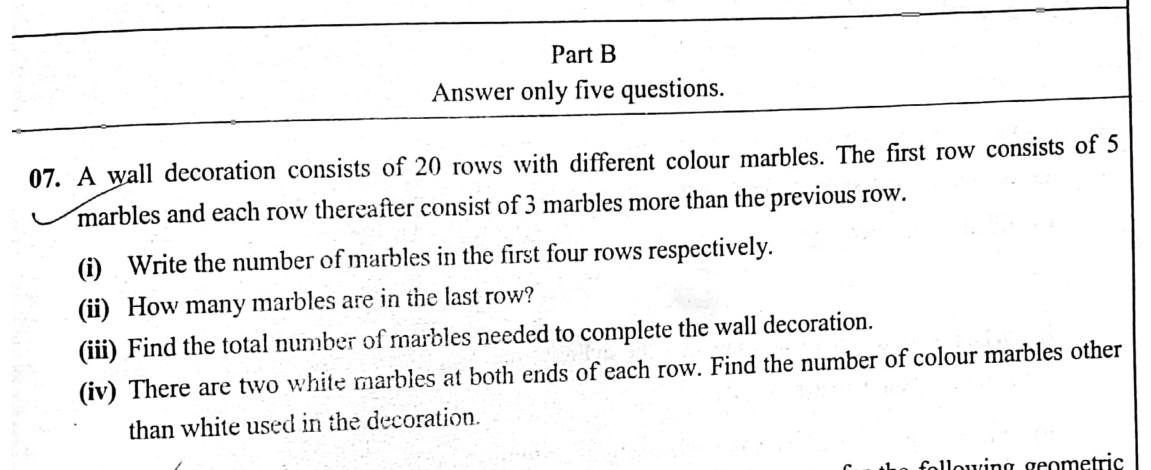
Arithmetic progression of marbles: terms, last term, sum
 Constructions · Constructions
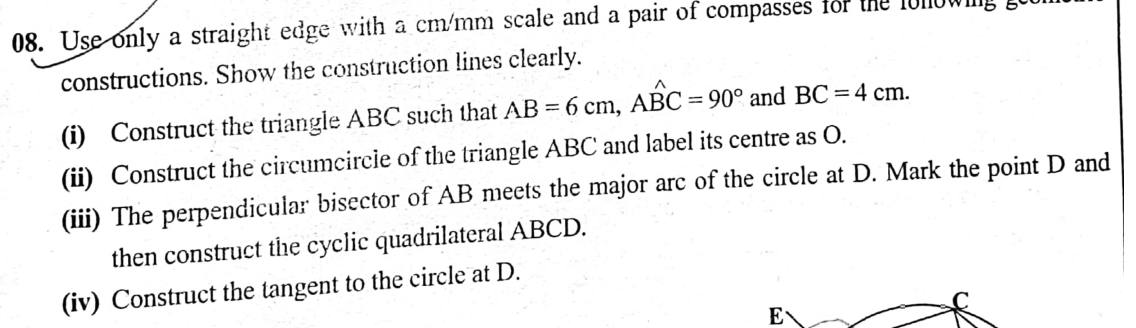
Construct right triangle, circumcircle, cyclic quadrilateral, tangent
 Tangents · Cyclic Quadrilaterals · Angles in a Circle
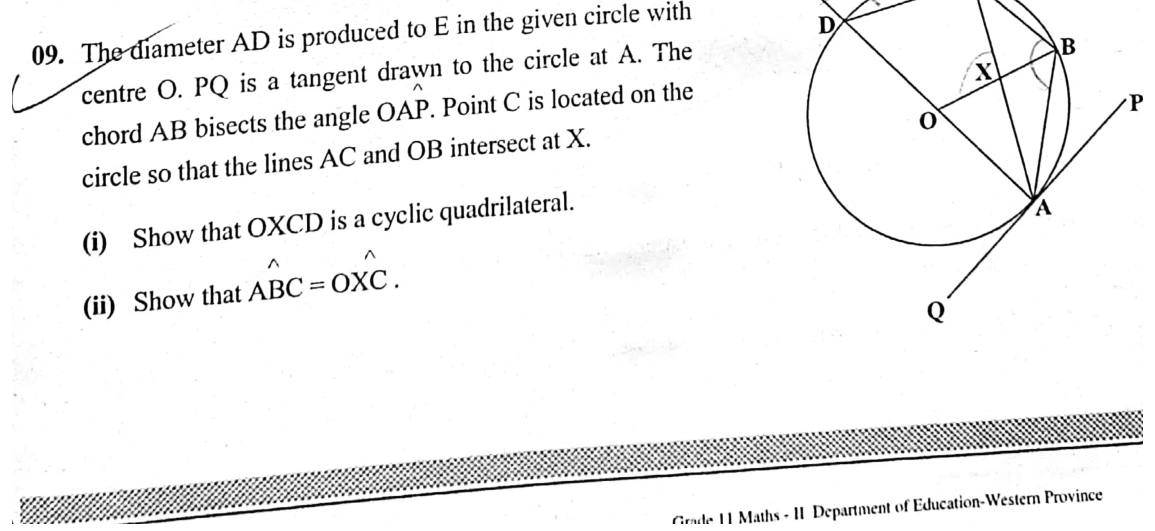
Tangent, bisected angle: prove cyclic quadrilateral and equal angles
 Congruency · Parallelograms II · Equiangular Triangles
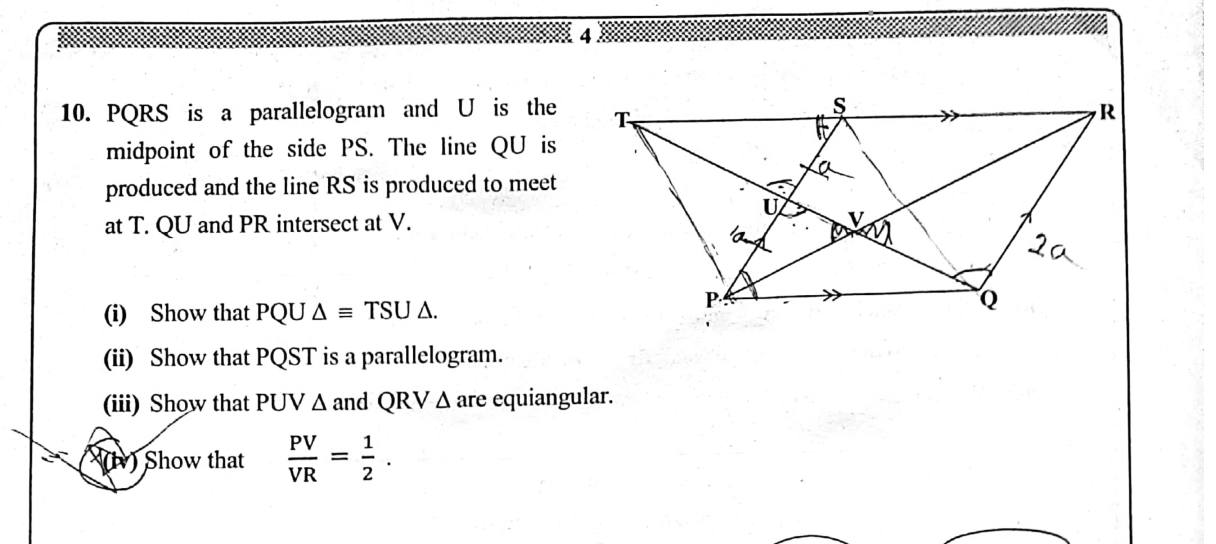
Parallelogram: congruent triangles, new parallelogram, ratio
 Volume of Solids · Indices and Logarithms II
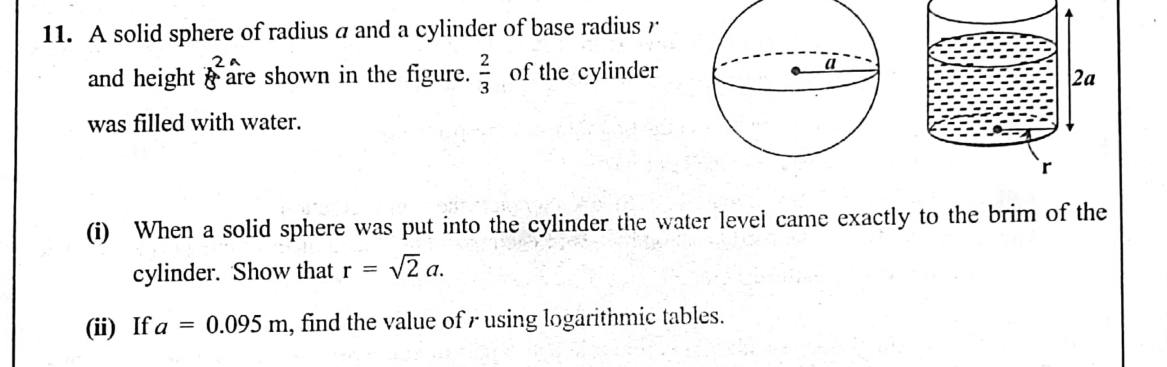
Sphere displaces water in cylinder; radius by logarithms
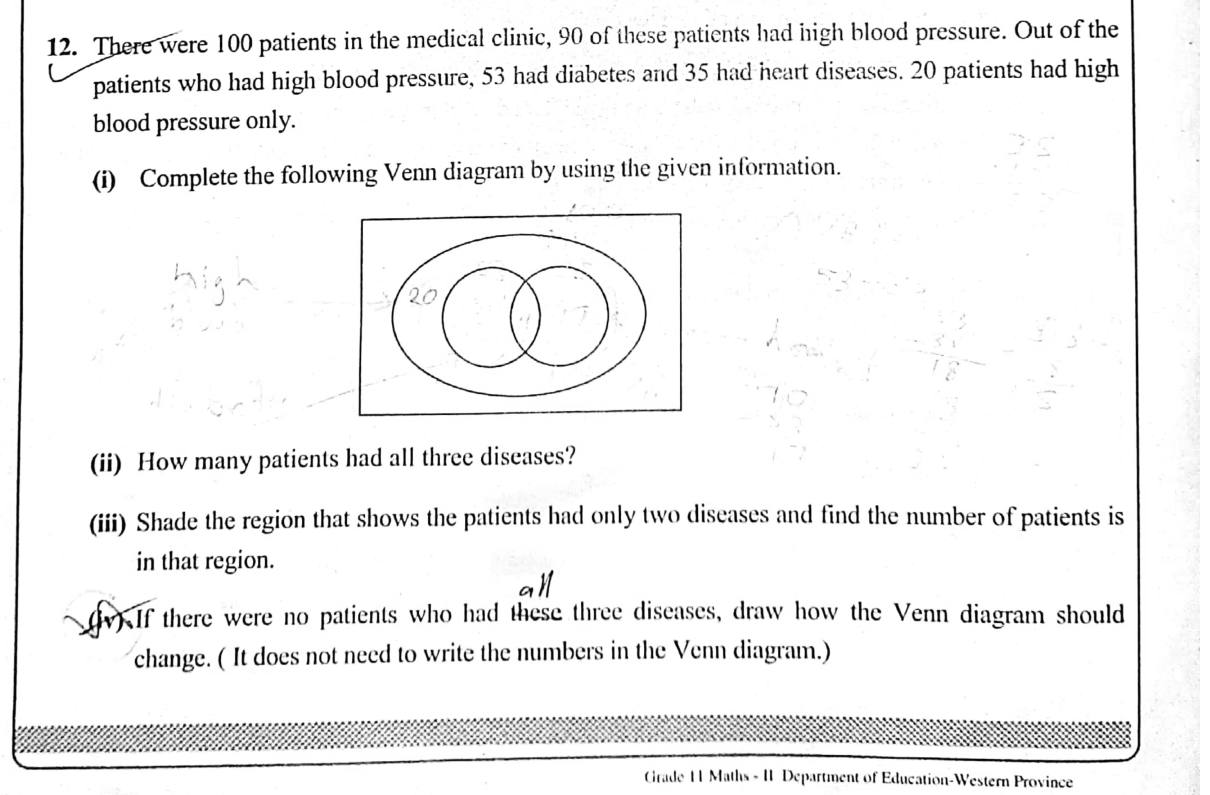
Three-set Venn diagram of patients; shade only-two region